The Forest Pavilion

Simplicity Meets Nature

The Forest Pavilion Hannover

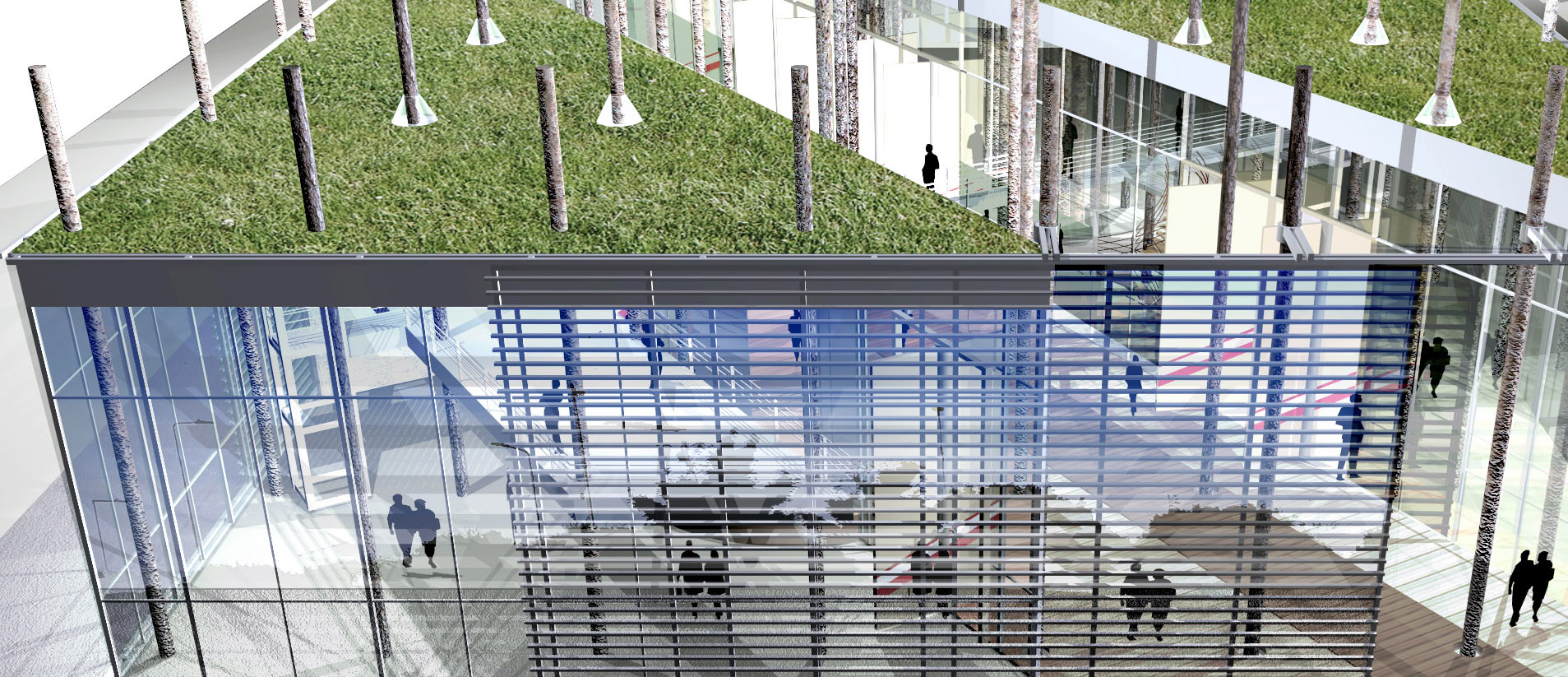
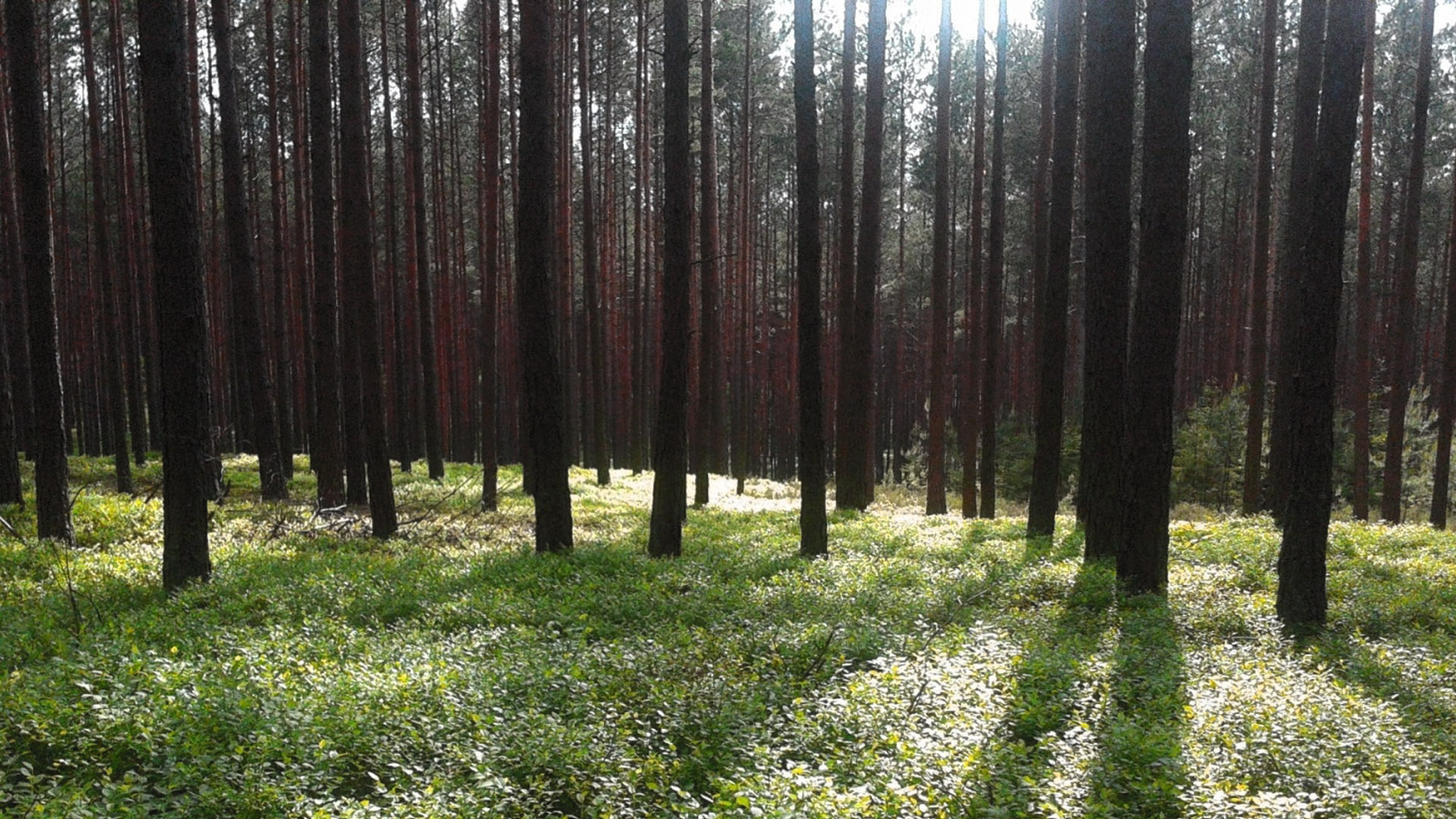
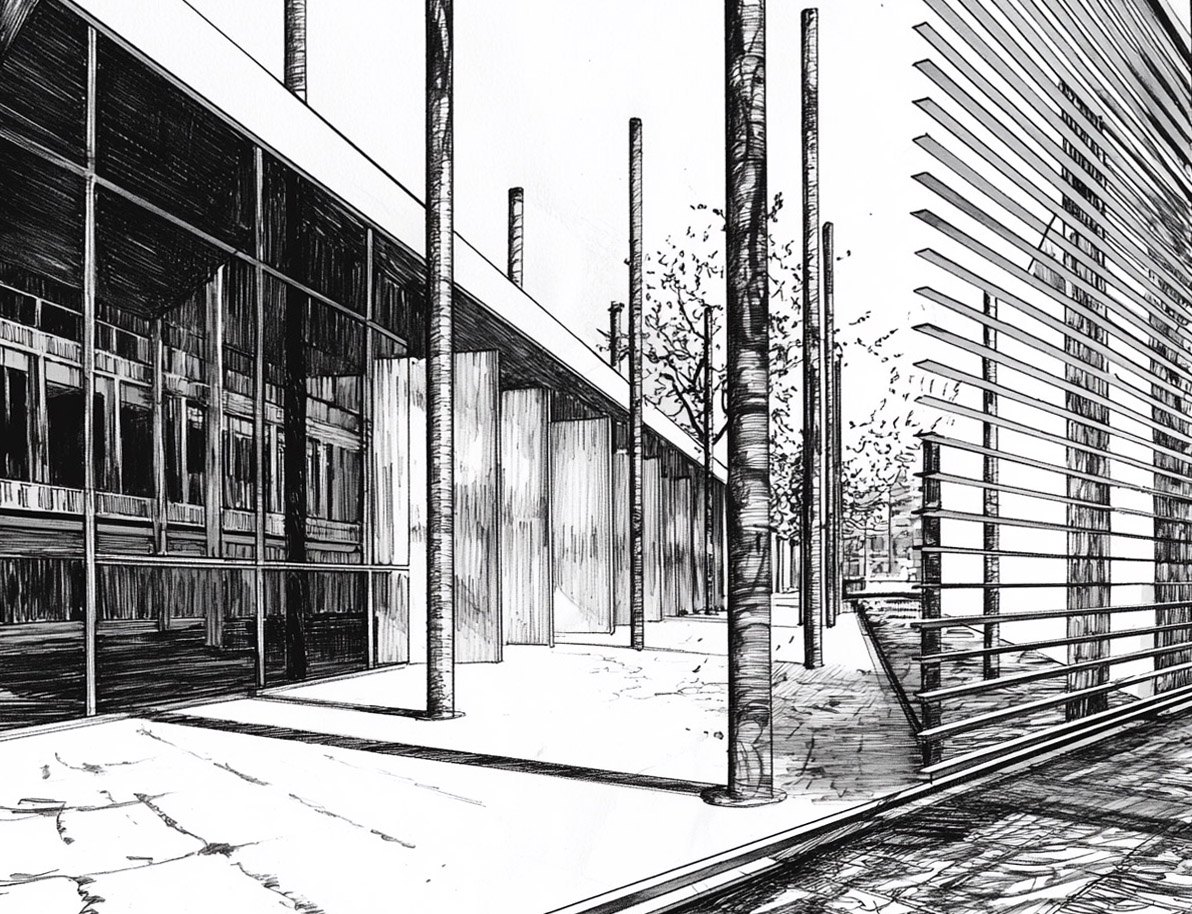
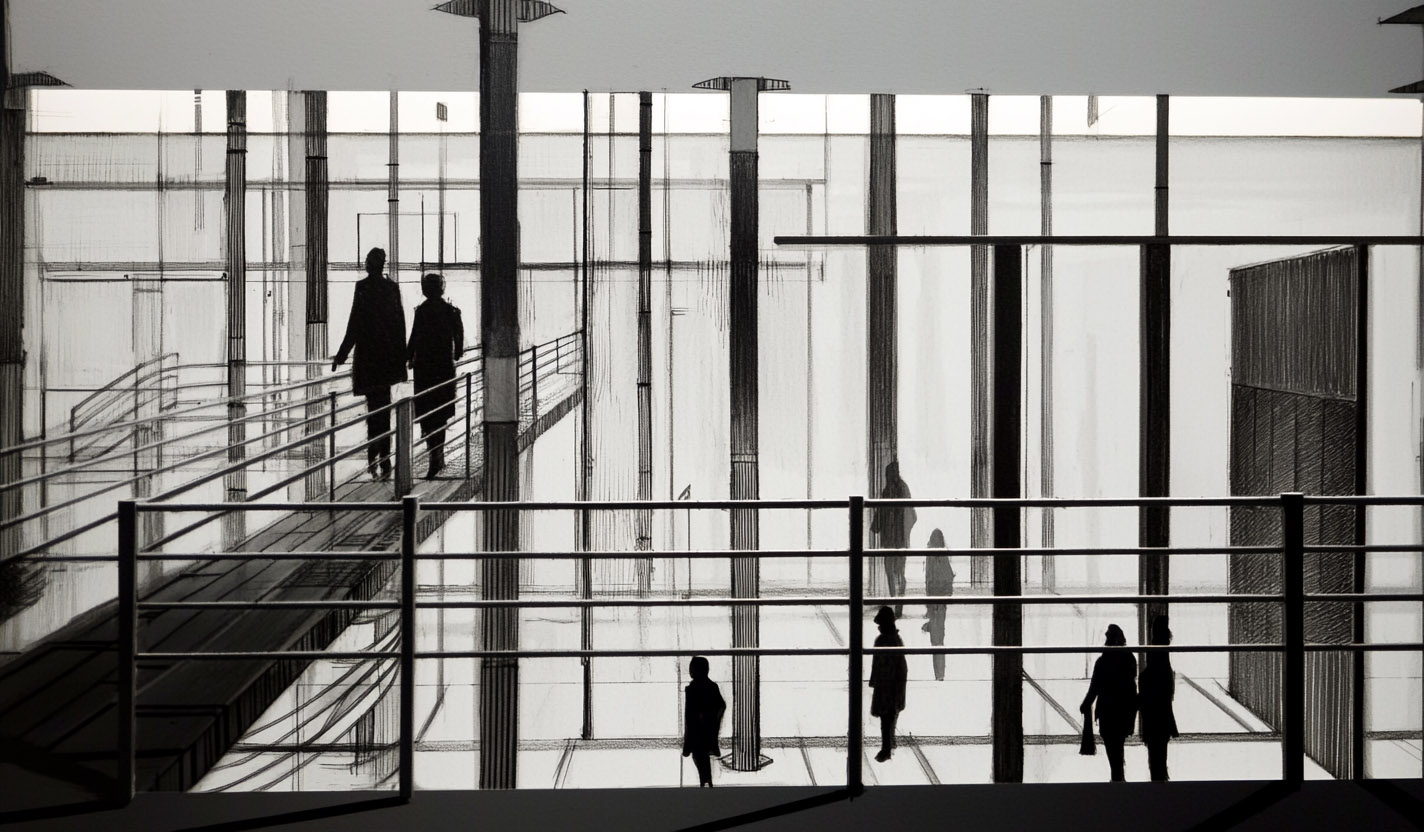
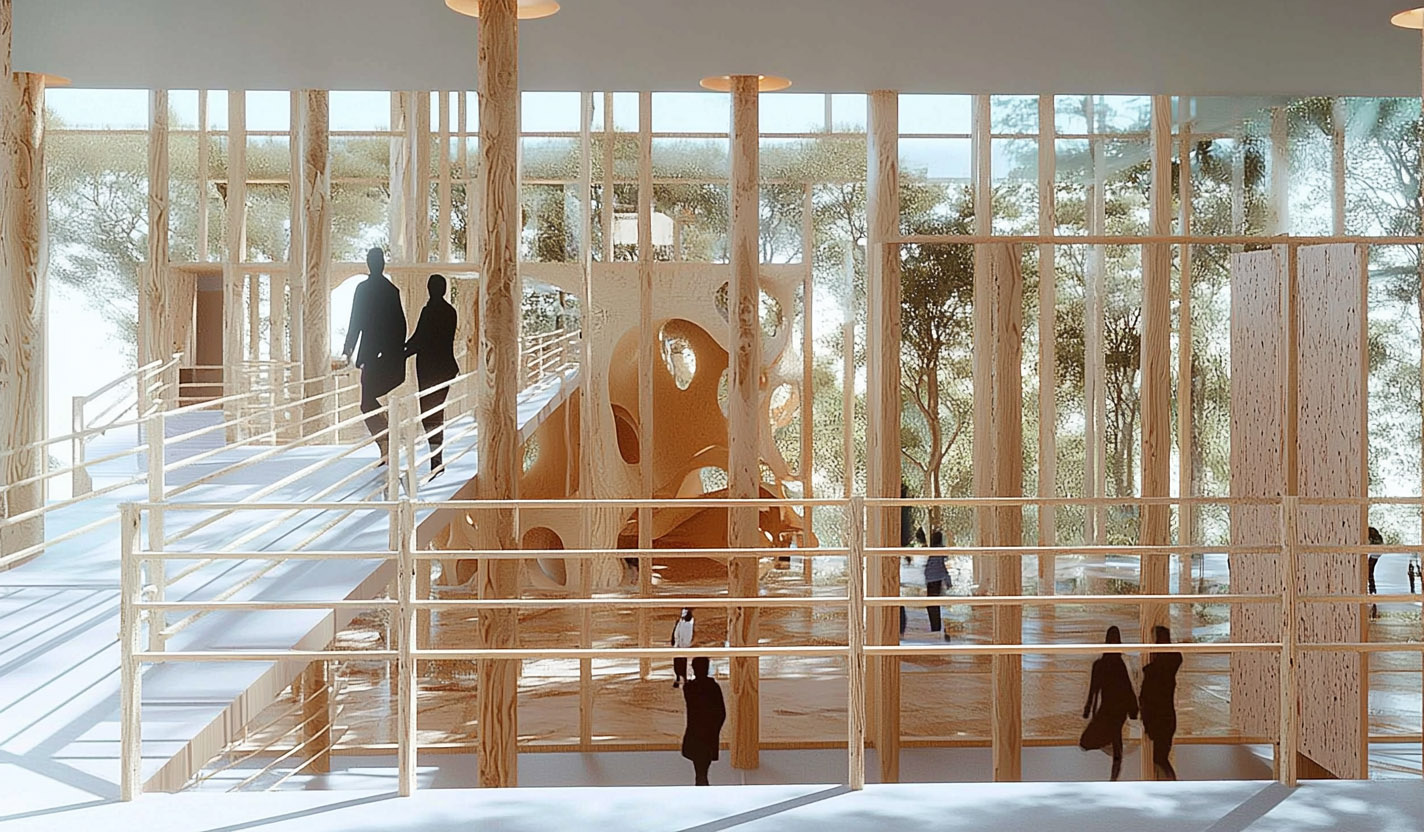
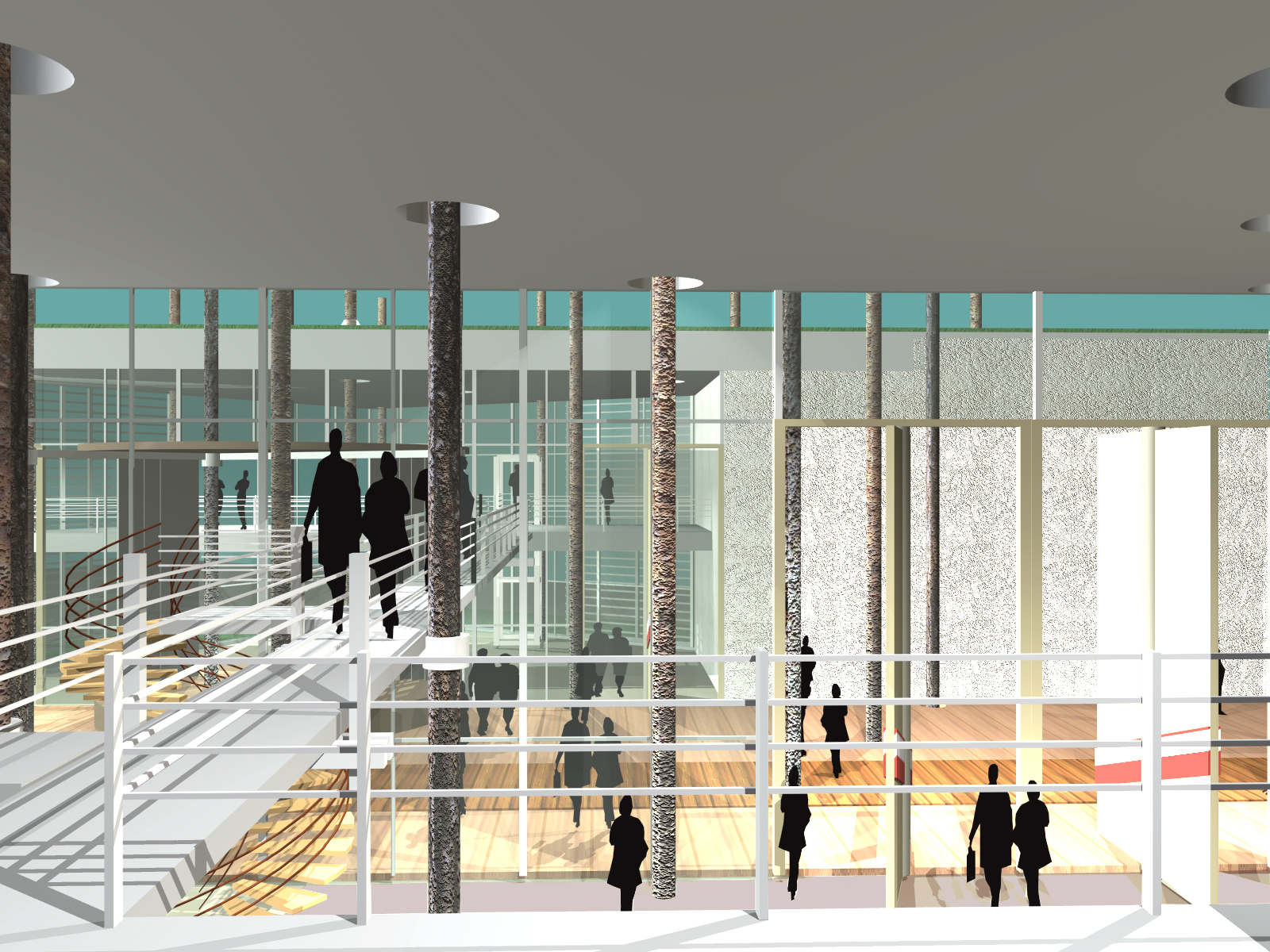
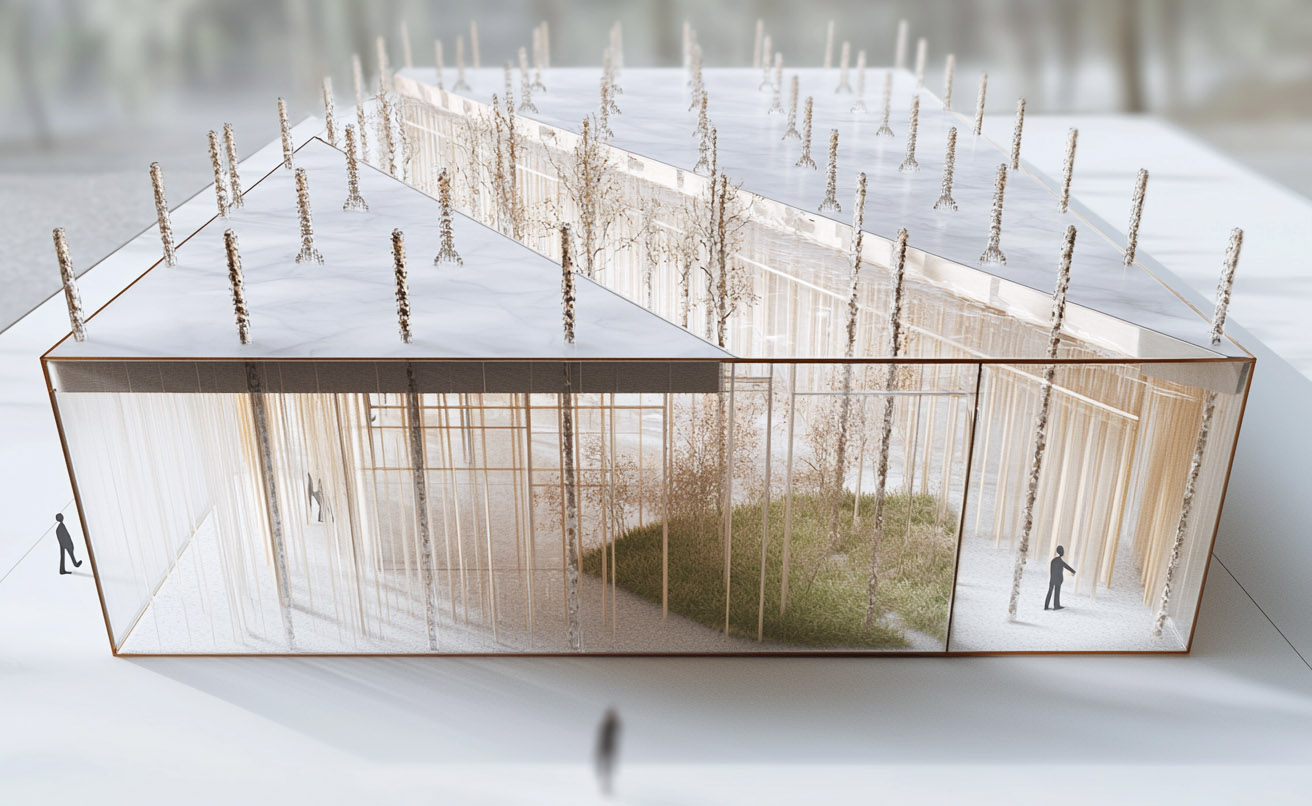
Forest natural simplicity raw trunks of Polish spruces, a symbol of humanity’s infinite connection with nature—is placed in contrast with modern technology. The Polish Pavilion for EXPO 2000, awarded 2nd prize in the national competition, embodies a harmonious balance between natural materials and contemporary innovation. Inspired by the untamed essence of Polish forests, the design juxtaposes raw, unprocessed spruce trunks with cutting-edge, environmentally friendly technology. More than just an exhibition space, the pavilion stands as a spatial manifesto of sustainable development, where architecture engages in an ongoing dialogue between tradition and progress, organic elements and modern engineering, material authenticity and future-oriented solutions.

The Forest Pavilion Hannover

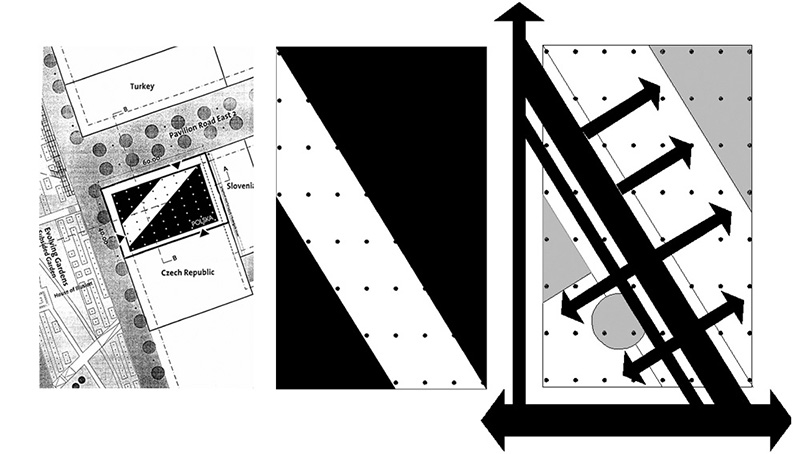
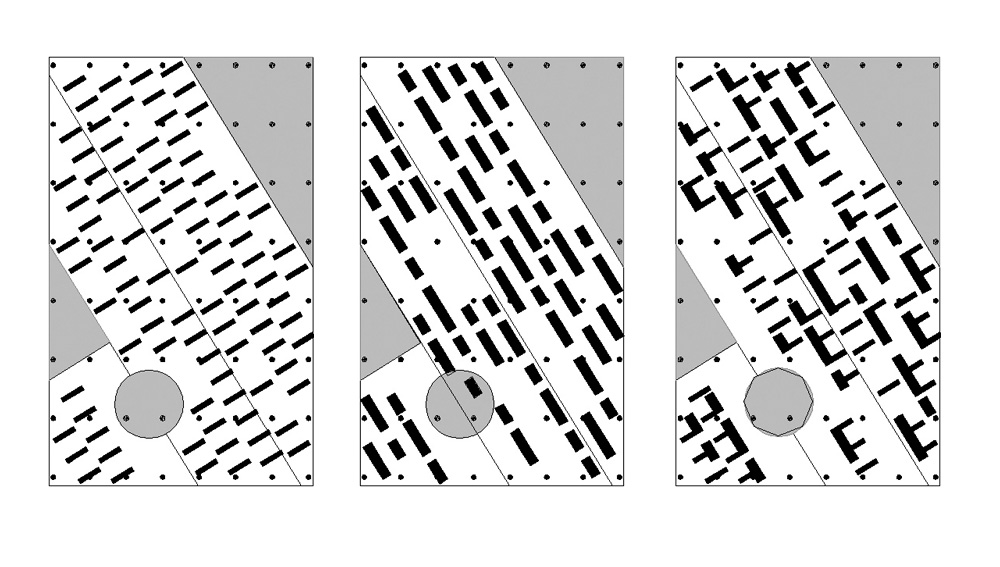
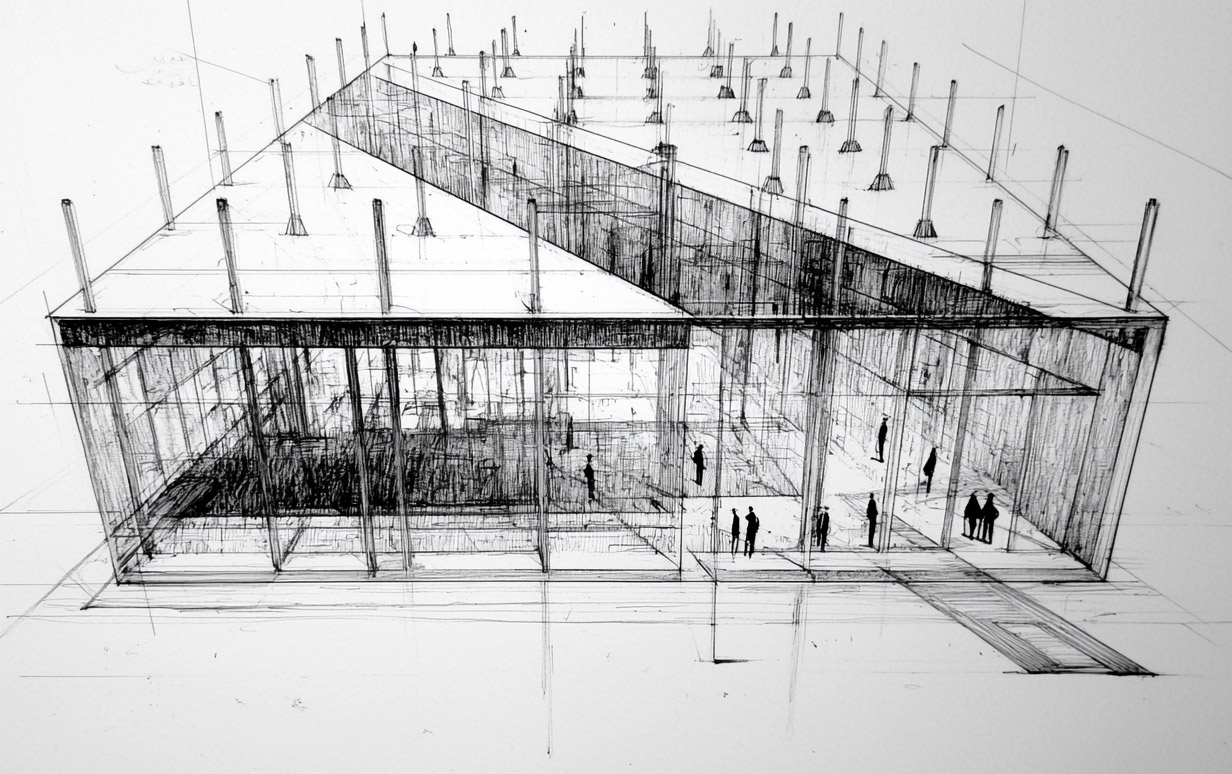
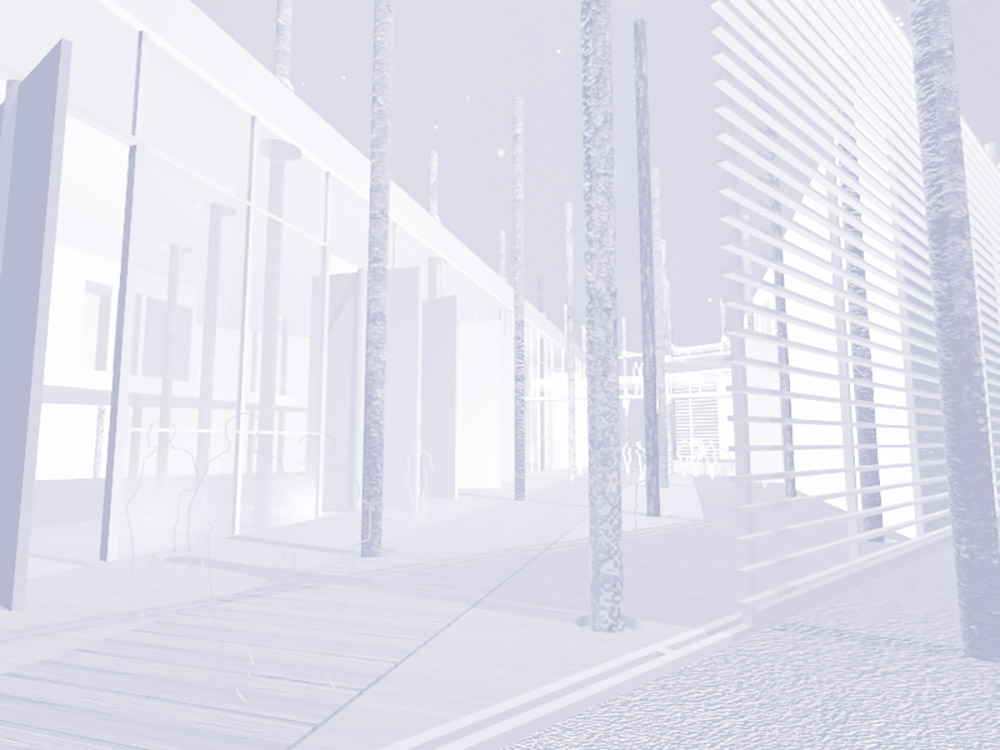
The strategic corner location of the Polish Pavilion offers a natural advantage, emphasized by a diagonal walk-through pathway. This design choice transforms the pavilion into an active urban connector, encouraging pedestrian circulation and increasing visitor flow between the surrounding streets. By integrating this shortcut within the architectural composition, the pavilion extends beyond a traditional exhibition space and becomes a dynamic public realm, naturally engaging with its environment.

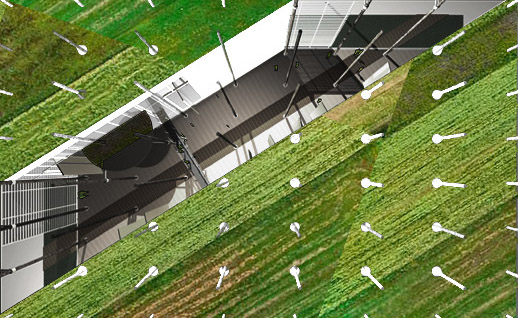
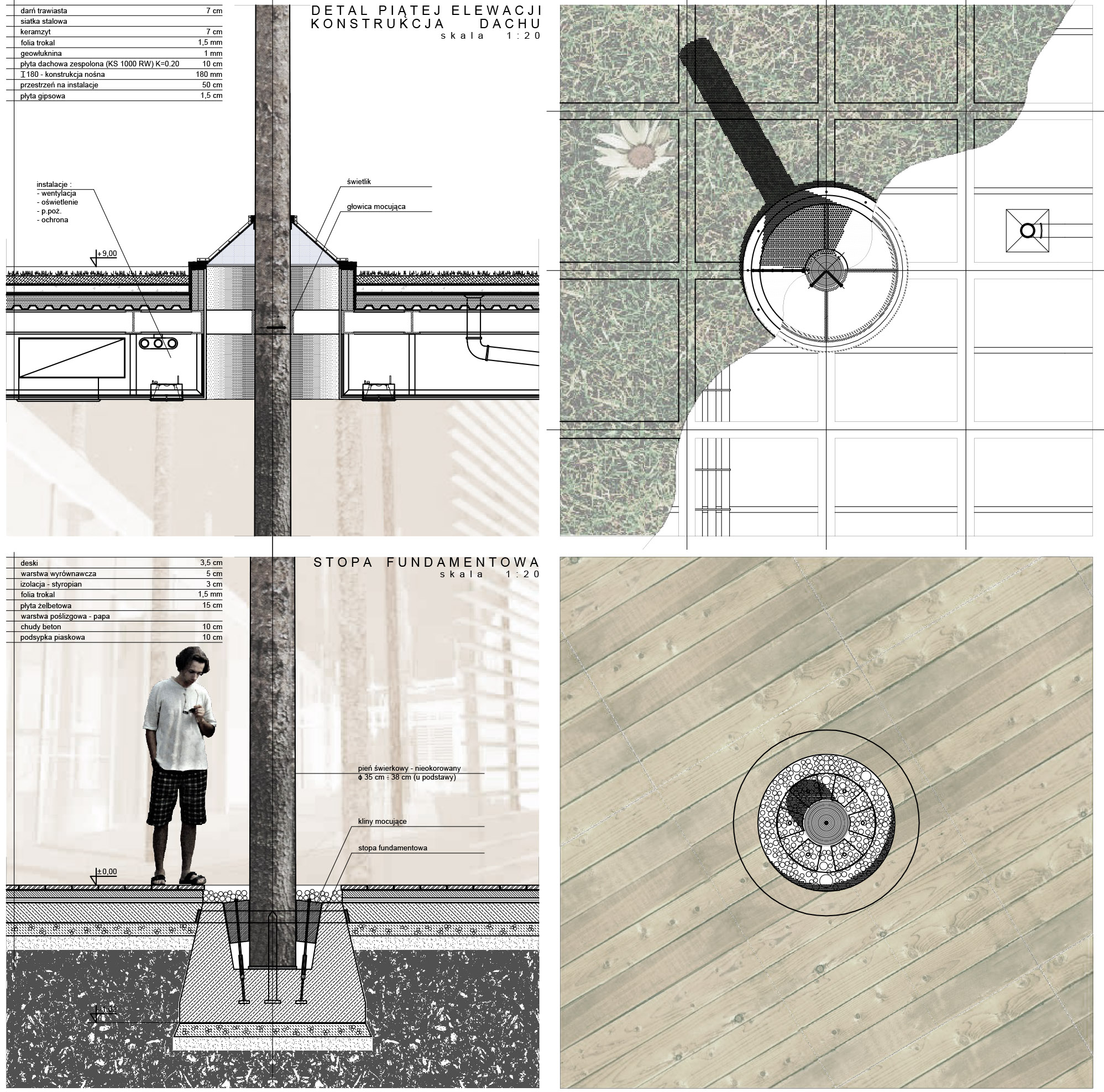
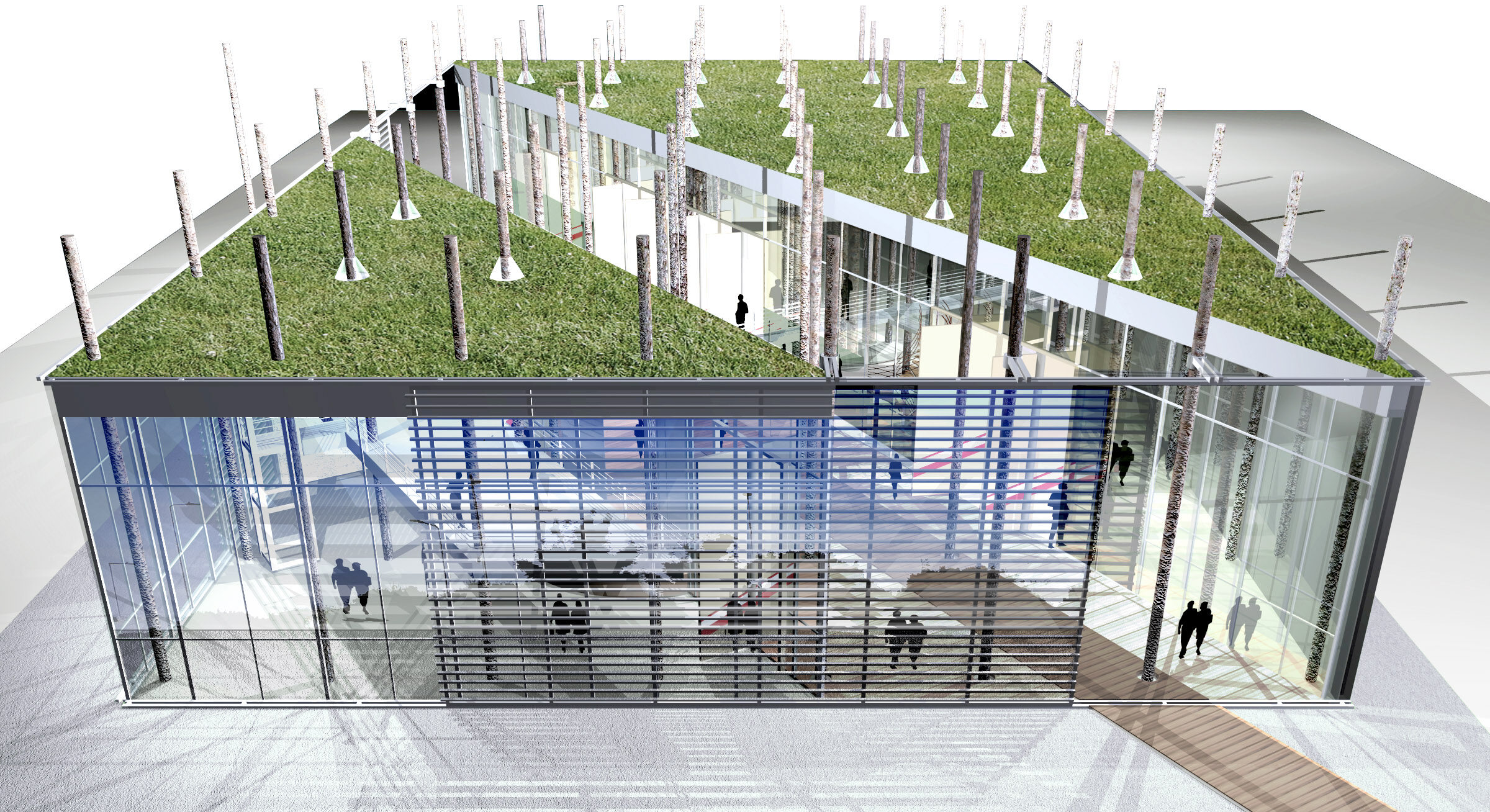
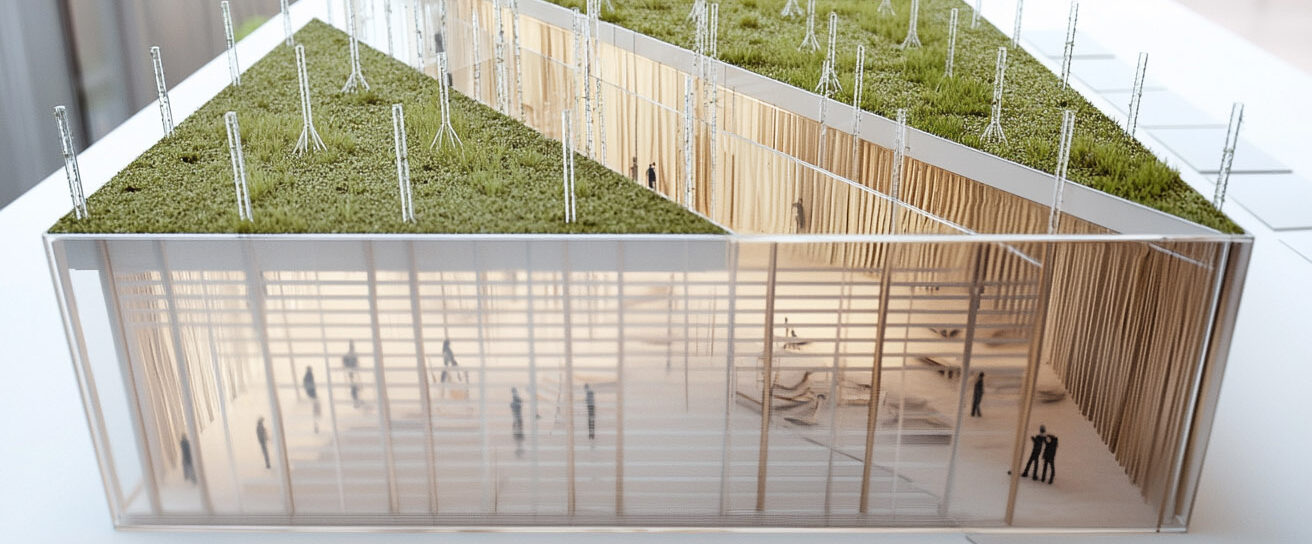
The roof, often referred to as the “fifth façade”, is designed as a signature element, reinforcing the pavilion’s architectural identity from aerial and elevated viewpoints. Its visual presence adds a distinctive character to the pavilion, making it a recognizable landmark within the EXPO site.

The Forest Pavilion Hannover

The strategic corner location of the Polish Pavilion offers a natural advantage, emphasized by a diagonal walk-through pathway. This design choice transforms the pavilion into an active urban connector, encouraging pedestrian circulation and increasing visitor flow between the surrounding streets. By integrating this shortcut within the architectural composition, the pavilion extends beyond a traditional exhibition space and becomes a dynamic public realm, naturally engaging with its environment.

The roof, often referred to as the “fifth façade”, is designed as a signature element, reinforcing the pavilion’s architectural identity from aerial and elevated viewpoints. Its visual presence adds a distinctive character to the pavilion, making it a recognizable landmark within the EXPO site.

A key feature of the pavilion was meant to be a modular structure (4.4m x 7.1m), entirely prefabricated in Poland, allowing for efficient assembly and disassembly, making it highly flexible and adaptable. Designed for reuse and reconfiguration, the system minimizes construction waste and optimizes logistics, reducing transport emissions through off-site manufacturing. The choice of materials reinforces a commitment to sustainability, with raw spruce trunks contributing to carbon sequestration, steel and copper ensuring durability and recyclability, and glass enhancing natural light penetration to minimize artificial lighting needs. Further integrating material recovery strategies, the pavilion’s structural elements can be repurposed for future civic and cultural projects, while rainwater collection systems within the roof aid passive cooling and irrigation. Additionally, natural ventilation principles reduce reliance on mechanical systems, enhancing overall energy efficiency.

The Forest Pavilion Hannover

The exhibition space was divided into two distinct zones—an open-air area, exposed to natural elements like rain, wind, and sunlight, and an enclosed space with a controlled environment for curated displays. This duality allows for a dynamic visitor experience, where the open zone fosters interaction with nature, while the enclosed section ensures preservation and immersive storytelling. The flexible open-plan design and varied spatial backdrop enable diverse exhibition scenarios, accommodating everything from large-scale installations to intimate, interactive displays.

The Forest Pavilion Hannover

The exhibition space was divided into two distinct zones—an open-air area, exposed to natural elements like rain, wind, and sunlight, and an enclosed space with a controlled environment for curated displays. This duality allows for a dynamic visitor experience, where the open zone fosters interaction with nature, while the enclosed section ensures preservation and immersive storytelling. The flexible open-plan design and varied spatial backdrop enable diverse exhibition scenarios, accommodating everything from large-scale installations to intimate, interactive displays.

The Polish Pavilion for EXPO 2000 was not only designed as an architectural statement but as a living environment, where the interplay of architecture, nature, and human experience defined its essence. The contrast between raw, organic materials and cutting-edge technology was not just aesthetic—it was a manifestation of sustainability and material-conscious design. The rough, textured spruce trunks at the heart of the structure were responsibly sourced, reinforcing carbon sequestration principles, while the precisely engineered prefabricated system demonstrated efficient construction with minimized waste.

The Forest Pavilion Hannover
The Polish Pavilion for EXPO 2000 was not only designed as an architectural statement but as a living environment, where the interplay of architecture, nature, and human experience defined its essence. The contrast between raw, organic materials and cutting-edge technology was not just aesthetic—it was a manifestation of sustainability and material-conscious design. The rough, textured spruce trunks at the heart of the structure were responsibly sourced, reinforcing carbon sequestration principles, while the precisely engineered prefabricated system demonstrated efficient construction with minimized waste.

This approach ensured that the pavilion could be disassembled, transported, and repurposed, extending its lifespan beyond the event itself. Steel and copper elements were chosen for their durability and recyclability, while glass surfaces optimized daylight use, reducing dependence on artificial lighting. Rainwater collection systems and natural ventilation strategies further enhanced the building’s passive environmental performance, making it an exemplar of sustainable architectural practice.

The Forest Pavilion Hannover
Beyond its function as an exhibition space, the pavilion also served as a cultural and social hub, reinforcing the idea of long-term adaptability and reuse. A raised platform, seamlessly connected to café spaces, provided a flexible setting for public engagement, hosting artistic performances, panel discussions, press conferences, and cultural events. This multi-functional approach meant that the pavilion was not just a temporary installation, but a reusable framework, adaptable for future civic and cultural projects. By blurring the lines between formal exhibition zones and informal gathering areas, the pavilion invited visitors to experience architecture as an interactive, evolving space, rather than just a static display of ideas.

The Forest Pavilion Hannover

The Forest Pavilion

The Purity of Form, The Responsibility of Material

JACA architecture and design logo

You may also like

Remodelling

warehouse revitalization

Revitalizations

Summer House

Museums and Exhibitions

renewable energy sources

Sustainability